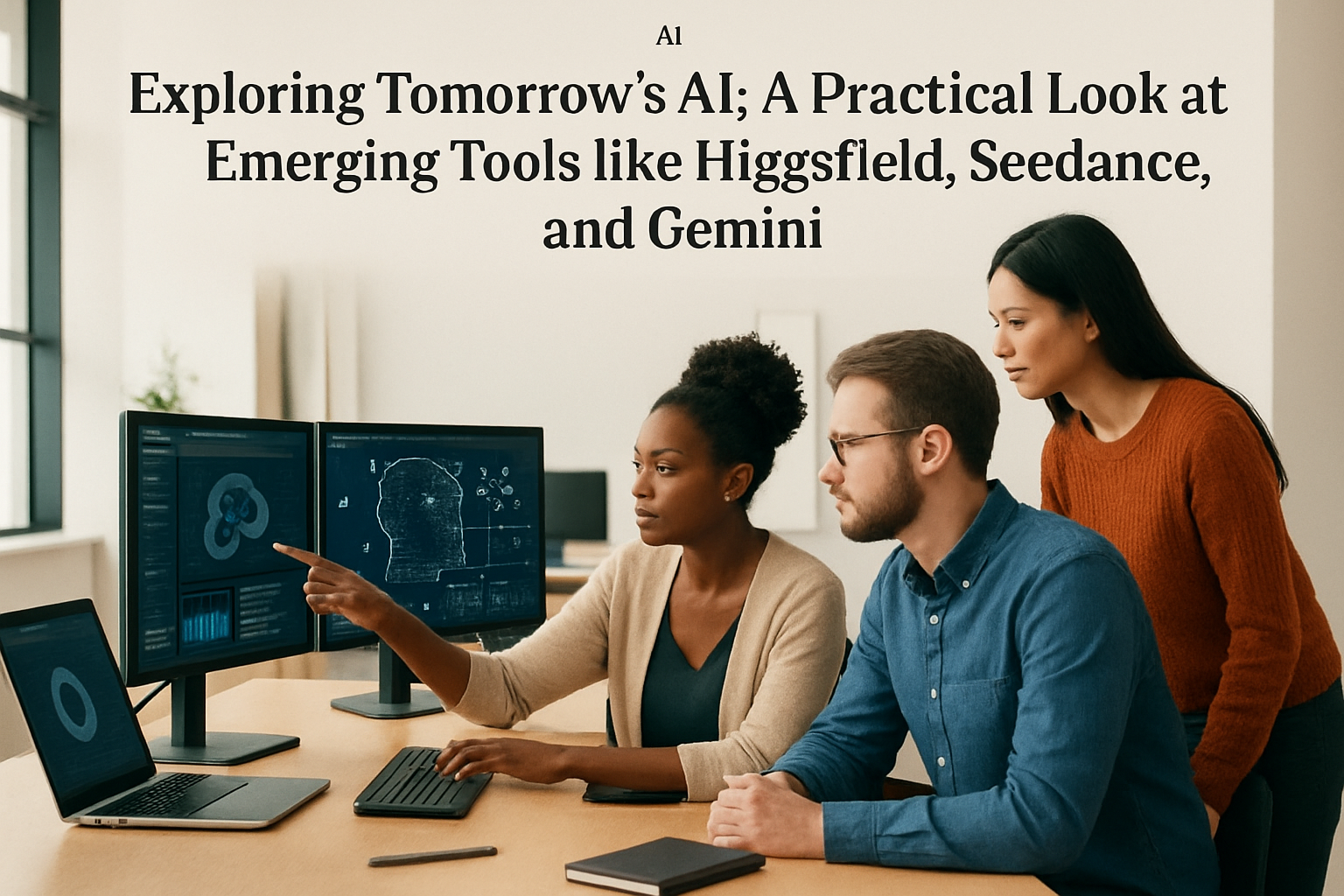
Introduction to AI Image Generation for Creators
Artificial intelligence has transformed digital creativity, especially through AI-powered image generation. Creators—from graphic designers and marketers to students and entrepreneurs—are tapping into AI tools to streamline their workflows, reduce costs, and inspire novel ideas. Whether you’re new to AI or a seasoned professional, understanding how to craft effective prompts and automate repetitive tasks can dramatically improve your output and save valuable time.
How AI Image Generation Works
At its core, AI image generation uses deep neural networks trained on vast datasets of images. These models interpret text prompts describing a desired scene or style and create corresponding visuals. The latest tools offer high fidelity images with customizable styles, enabling a diverse range of creative applications, including mockups, concept art, social media visuals, and product designs.

For global users, integrating AI image generation seamlessly into your workflow can liberate creativity while reducing dependency on expensive stock photos or freelance artists.
Examples of Prompt-Based AI Image Generation
- Marketing content: Generate themed images for newsletters or social ads by specifying tone, objects, and style — e.g., “vibrant flat design of a happy family enjoying smart home gadgets”.
- Concept art: Experiment with new ideas by describing key elements and ambiance — e.g., “futuristic cityscape at dusk with neon lights and flying cars”.
- Educational materials: Create diagrams or illustrations with clear instructions — e.g., “simplified anatomy of the human heart, labeled and clean style”.
Mastering Prompt Workflows for Efficiency
Effective prompt crafting is an art and science. Clear, detailed prompts often yield better and more relevant images. Here are some tips to refine your approach:
- Be specific but concise: Include key descriptors while avoiding unnecessary complexity.
- Use keywords for style and mood: Words like “minimalist,” “vintage,” or “photorealistic” help guide the model.
- Iterate and refine: Start broad, review outputs, then add or remove prompt elements to match your vision.
- Combine with templates: Develop prompt templates for recurring needs, adapting only minor details as needed.
Additionally, advanced users can chain prompts or use AI tools that allow stepwise refinement within the same session, enabling a more deliberate creation process.

Productivity Automation for Creators Using AI
Beyond just generating images, AI can automate entire creative workflows, freeing up time to focus on higher-level work:
- Batch image creation: Automate generating multiple images based on a CSV or spreadsheet of prompts, ideal for marketing campaigns or product catalogs.
- Integration with publishing: Use automation platforms (like Zapier or Make) to connect AI image generators with WordPress, content management systems, and social media schedulers.
- Auto-tagging and sorting: Employ AI to classify and tag images based on content or style metadata, simplifying asset management.
- Caption and description generation: Leverage language models to write alt text, captions, or marketing blurbs paired with images.
These automation strategies can particularly benefit freelancers juggling multiple projects, small businesses needing quick content, and educators developing materials on tight schedules.
Balancing Creativity and Ethical Use
While AI image tools offer tremendous possibilities, users must balance innovation with ethical responsibility. Some recent discussions around AI use in professional and academic settings caution against potential misuse or over-reliance on AI-generated content without attribution. Tools from providers like OpenAI continue evolving their policies to address these concerns.
Always check usage rights and respect platform guidelines when integrating AI-generated images into commercial or educational projects. Transparency about AI involvement helps build trust with audiences and clients alike.
My Take: Navigating the AI Creative Revolution
AI image generation and automation are reshaping how creators work, lowering entry barriers while opening new avenues for experimentation. However, mastering the craft of prompt engineering and thoughtful workflow design is essential to unlock AI’s true value. Users should remain critical of AI outputs, supplementing them with human judgment and creativity to avoid generic or constrained results.
Automation accelerates many routine tasks but should not replace the creative intuition and narrative that make content meaningful. As AI tools mature, embracing them proactively—yet ethically—will define successful creators in the years to come.
Quick Summary
- AI image generation creates visuals from text prompts using neural networks.
- Good prompts are clear, specific, and iterative to guide the AI effectively.
- Automation can streamline batch creation, publishing, and asset management.
- Creators must consider ethical use, attribution, and platform policies.
- Combining AI with human insight produces best creative outcomes.
Frequently Asked Questions
- Do I need technical skills to use AI image generators? No, many platforms provide user-friendly interfaces accessible to beginners, though knowing prompt best practices helps.
- Can AI-generated images be used commercially? Usually yes, but check the specific tool’s license and terms for commercial usage rights.
- How can I improve the quality of AI-generated images? Refine prompts by adding style descriptors, testing variations, and using iterative feedback.
- Is AI replacing human artists? AI is a tool to augment creativity but doesn’t replace the unique vision and nuance brought by artists.
- Which tools can automate AI image workflows? Automation platforms like Zapier, Make, and native API integrations are popular choices.
Note: Always verify official sources for pricing, offer details, software versions, and availability before committing to any AI tools or services.