The Rise of AI in Video Production
Video production is undergoing a profound transformation thanks to advances in artificial intelligence (AI). From automating editing tasks to generating dynamic content, AI tools are reshaping how creators produce, customize, and distribute videos. This democratization enables everyone from freelancers and students to small business owners and professional studios to leverage video with greater speed and creativity.
AI Video Production Tools: What’s Available Today?
The market now offers a wide variety of AI-powered platforms targeting different stages of video creation. Some notable tool categories include:

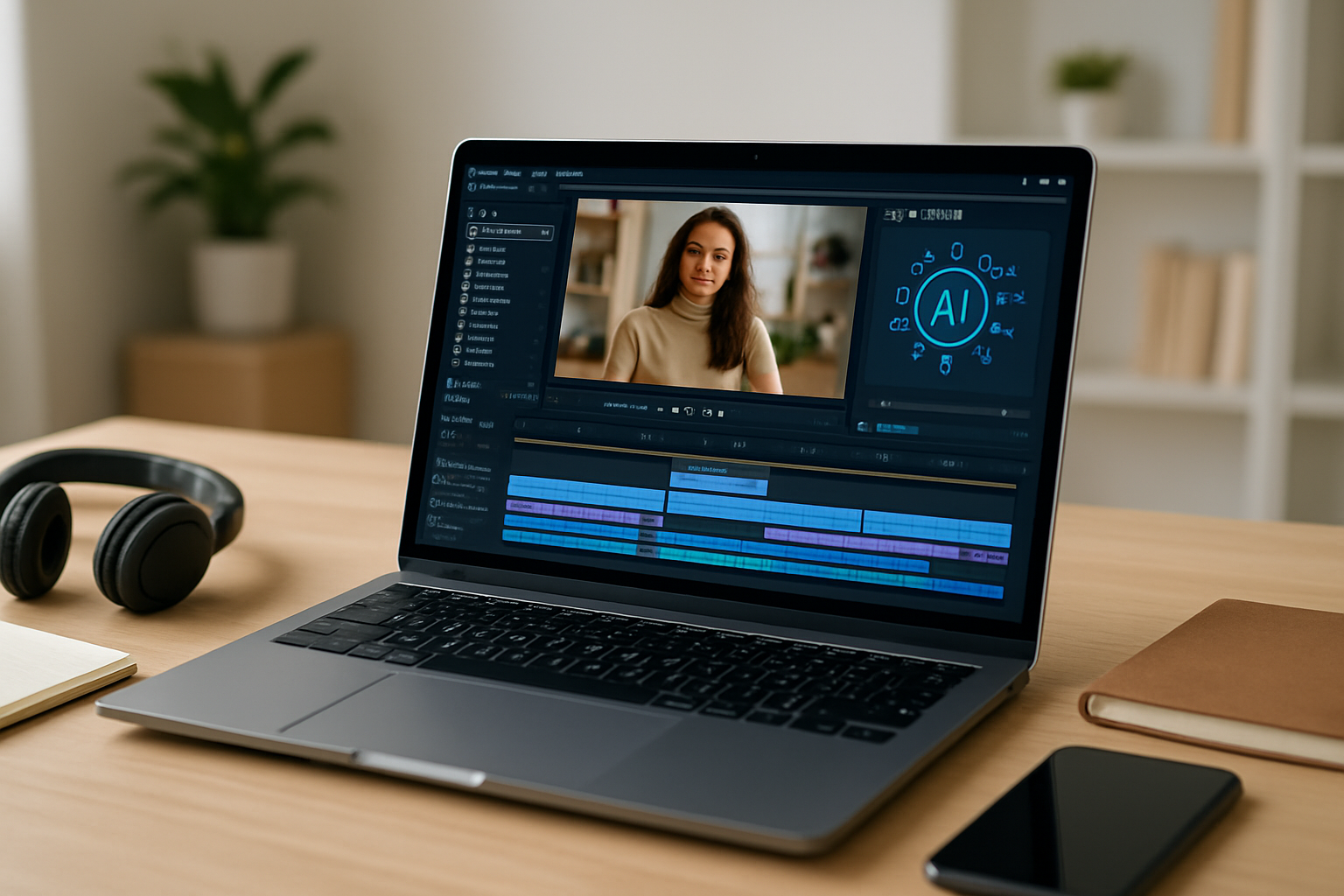
- Automated Editing and Post-Production: Tools that use AI to analyze raw footage for scene detection, sound mixing, color grading, and shot selection, drastically reducing manual labor and speeding up workflows.
- Generative Video AI: Platforms capable of creating videos from text prompts or scripts by synthesizing visuals, voices, and animations. These models enable rapid concept testing and storytelling without extensive filming.
- Voice Synthesis and Dubbing: AI voice models that produce natural speech, allowing multilingual dubbing, voiceovers, or entirely synthetic narrations with customizable tone and style.
- Motion Capture and Animation Enhancers: AI-driven solutions that automate rigging and motion generation for 3D characters or boost the realism of animations based on limited input data.
Typical AI Video Production Workflows
Integrating AI tools can streamline many traditionally time-consuming processes. A common workflow might include:
- Content Planning: Using AI-driven scripting assistants or storyboarding tools to generate video outlines and dialogue, aiding ideation.
- Media Generation: Employing generative AI to create background scenes, avatars, or b-roll footage aligned with the script.
- Editing Assistance: Feeding footage into AI editors to trim, color-correct, and sequence clips automatically.
- Voice and Sound: Synthesizing narration or dialogue with AI voices matched to target audiences, plus sound design enhancements.
- Localization: Using AI translation and dubbing to adapt content to global markets with minimal human intervention.
- Publishing and Optimization: Leveraging AI analytics to recommend video titles, descriptions, and thumbnail images for better reach on platforms like YouTube or social media.
Model Features Driving AI Video Production
Several technical capabilities underpin the current wave of AI video tools, such as:
- Multimodal Understanding: The ability to process and generate different data types — text, images, audio, and video — simultaneously, bridging gaps between scripts and visuals.
- Natural Language Processing (NLP): Advanced understanding of scripts and commands enables precise control over video content and storyboard adaptation.
- Generative Adversarial Networks (GANs) and Diffusion Models: Power visually rich, photorealistic generated clips or deepfake avatars while maintaining temporal coherence.
- Temporal and Spatial Awareness: Ensures AI recognizes video continuity and respects scene composition for seamless edits.
- Enhanced Voice Cloning: Produces lifelike synthetic voices with emotional nuance, broadening applicability to narration and dubbing.
Use Cases for Creators Across Expertise Levels
AI video production serves varied needs globally, including:

Beginners & Students
- Quickly crafting presentations or animated explainers without high-end equipment or editing skills.
- Learning core video production concepts via hands-off experimentation with AI tools.
Freelancers and Small Business Owners
- Producing marketing videos or product demos efficiently to boost brand visibility on budgets.
- Localizing video content with AI-driven translation and voiceovers to expand markets internationally.
Professional Creators and Studios
- Accelerating post-production workflows and iterating creative concepts faster.
- Integrating AI content generation within film, gaming, or advertising pipelines for cost and time efficiency.
Practical Trade-Offs to Consider
While promising, AI video production also presents challenges demanding thoughtful choices:
- Quality vs Speed: Fully automated videos may lack polish compared to traditional handcrafted edits but offer rapid turnaround.
- Ethical and Authenticity Concerns: Synthetic content risks misinformation or devaluation of human creativity; creators must deploy AI responsibly.
- Cost and Resource Use: Powerful generative AI models require cloud resources with environmental impacts to consider—particularly relevant amid current concerns over data center emissions.
- Learning Curve: New tools require adaptation; workflows need redefinition, especially for teams accustomed to legacy production methods.
My Take: AI Video Production is a Tool, Not a Replacement
AI heralds a significant shift in video production capabilities, opening doors for broader access and new forms of creative expression. However, it is essential to view AI as an enabler rather than an outright substitute for human ingenuity and editorial judgment. The best results arise when creators harness AI’s speed and intelligence as a complement to their vision. Responsible use, awareness of limitations, and ongoing skill development remain key.
FAQs About AI Video Production
- 1. Can beginners create professional-quality videos using AI?
- Yes, many AI tools simplify the production process to enable novices to produce quality content, though mastering advanced editing still requires practice.
- 2. How do AI models handle video continuity and editing coherence?
- Modern models incorporate temporal and spatial awareness to maintain flow and scene integrity, but some manual adjustments may still be needed.
- 3. What are some risks of using generative AI for video?
- Risks include potential misuse for deepfakes, copyright issues, and quality inconsistencies. Ethical guidelines help mitigate these.
- 4. Are AI-generated voices good for professional narration?
- AI voices have improved greatly and can match many professional needs, though subtle emotional nuance may still differ from human voices.
- 5. How can businesses ensure environmentally responsible AI usage?
- Choosing providers committed to renewable energy and optimizing workflow efficiency can reduce the environmental footprint of AI video production.
Note: For the latest prices, offers, software versions, and availability of AI video tools, always verify with official vendor websites or authorized distributors.