Introduction
Video content remains one of the strongest engagement drivers online, yet producing professional-grade videos traditionally demands significant time, expertise, and resources. Artificial intelligence (AI) is reshaping this landscape, offering powerful tools that simplify video production workflows and expand creative possibilities for a wide audience.
Whether you are a beginner exploring content creation, a freelancer crafting campaigns, a small business owner seeking promotional videos, or a student working on a project, AI video production tools open new doors. This article outlines key AI-powered workflows, examines notable model features, and highlights diverse creator use cases to provide a comprehensive understanding of this fast-evolving domain.

Core AI Video Production Workflows
The AI video production process typically spans several overlapping phases enabled by intelligent automation and creative assistance:
- Concept and Script Generation: AI language models can help draft video scripts or storyboard ideas based on simple prompts, saving brainstorming time and enhancing content planning.
- Visual Asset Creation and Editing: AI-driven platforms generate animations, select stock footage, or even create synthetic actors, streamlining the visual assembly without requiring advanced design skills.
- Voiceover and Audio Integration: Text-to-speech models produce natural-sounding narration, with options for different languages, tones, and accents, enhancing video accessibility and global reach.
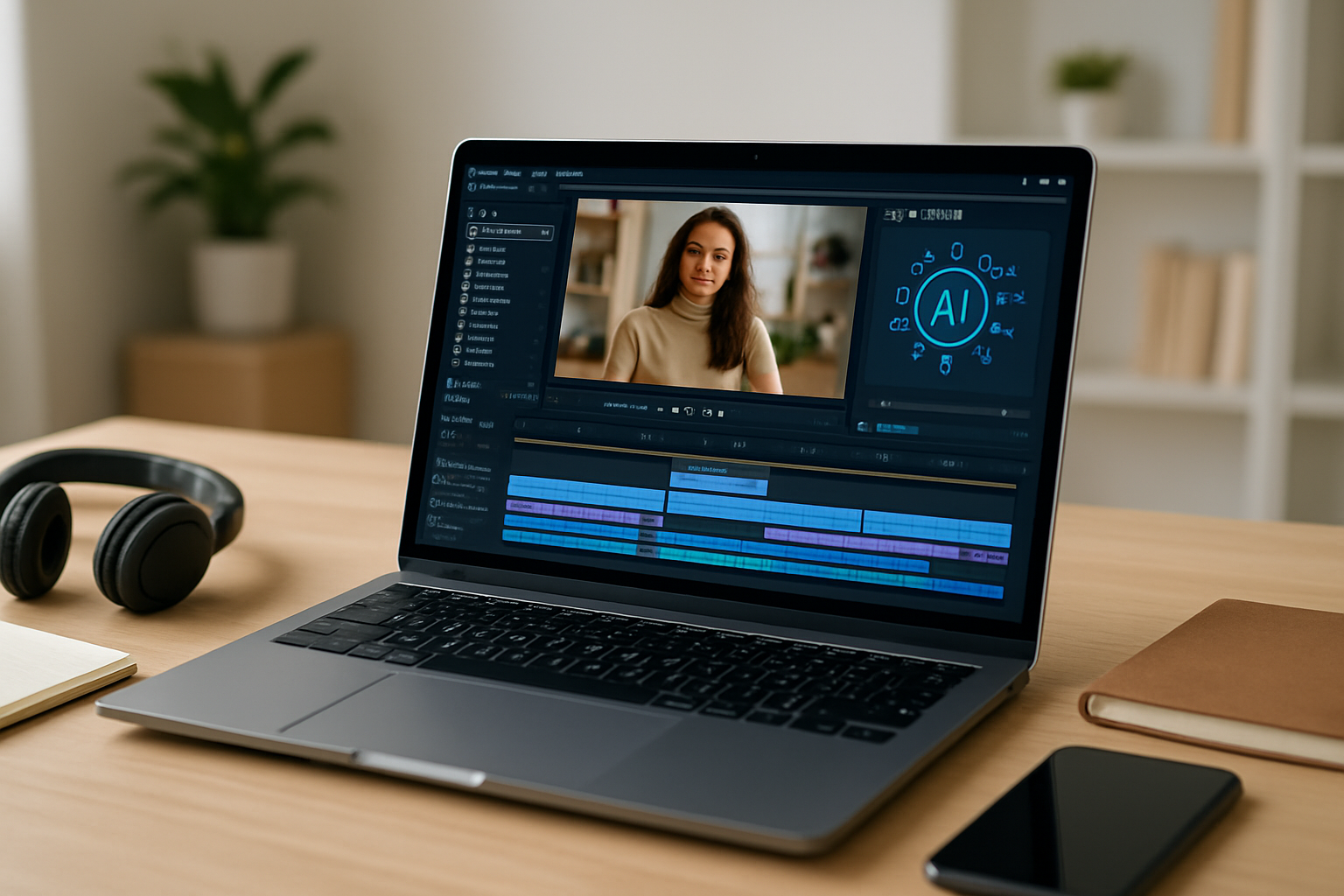
- Automated Editing: Smart algorithms trim clips, synchronize audio and video, add transitions, and apply stylistic filters based on preset themes or user preferences, accelerating post-production.
- Distribution Optimization: Some tools analyze target audiences and platform requirements, automatically formatting videos for optimal engagement on social media, websites, or presentations.
Distinctive Features of AI Video Models
Several AI models power the latest generation of video production tools. Key features include:
- Multimodal Understanding: Combining text, audio, and visual data allows these models to interpret scripts and generate coherent video elements that match the narrative.
- High-Quality Synthesis: Advances in neural rendering produce smooth animations, realistic facial expressions, and lip-synced speech, making AI-generated content more lifelike.
- Personalization and Style Transfer: Users can customize videos to reflect brand identity or artistic preferences by adjusting colors, fonts, pacing, and visual themes through intuitive controls.
- Interactive Editing Interfaces: Some platforms offer conversational AI assistants to guide creators through tweaking scenes, suggesting improvements, or explaining technical options in accessible language.
- Cross-Platform Compatibility: Content can be exported and adapted automatically for formats like vertical video for mobile, widescreen for YouTube, or looping clips for social media stories.
Use Cases Across the Creator Spectrum
The versatility of AI video tools enables a variety of creators to benefit:

- Freelancers and Agencies: Rapid prototype development, client demos, and customized campaign videos become more efficient, reducing turnaround time and costs.
- Educators and Students: Creating presentations, explainer videos, or interactive learning materials without requiring advanced video editing skills enhances educational engagement.
- Small Business Owners: Producing marketing materials, product demos, and customer testimonials becomes accessible and affordable without outsourcing.
- Independent Creators and Influencers: Regular content creation benefits from AI-driven scripting aid, creative effects, and consistent branding tools—improving audience connection and content diversity.
- Corporate Teams: Internal communications, training modules, and event recaps can be automated or enhanced through multi-language capabilities and professional polish.
Trade-Offs and Challenges
While AI video production tools offer remarkable advantages, users should be aware of certain limitations:
- Creative Control vs. Automation: Automated editing may not perfectly reflect a creator’s unique artistic intent, requiring manual adjustments.
- Quality Variation: Output quality can depend on input data and model sophistication; novice users may face trial-and-error learning.
- Ethical and Copyright Concerns: Synthetic media raises questions about authenticity, consent, and intellectual property—users must navigate appropriate use cases responsibly.
- Platform Dependence: As Satya Nadella highlights, relying solely on one AI provider risks lock-in and limits innovations; considering multiple AI tools may yield better outcomes.
My Take: A Pragmatic View
AI video production tools represent a transformative step toward democratizing video creation. They significantly lower technical barriers and accelerate workflows for a diverse global audience. However, these tools should be understood as collaborators rather than replacements for human creativity. Strategic use involves blending AI efficiencies with personal artistic judgment, and maintaining flexibility to bypass a one-size-fits-all AI approach—as Satya Nadella recently emphasized—will be central to sustaining competitive and creative advantages.
Quick Summary
- AI-enhanced workflows streamline scripting, asset creation, voiceover, editing, and distribution.
- Advanced models use multimodal inputs for realistic, customizable video generation.
- Applications span freelancers, educators, small businesses, corporations, and independent creators.
- Trade-offs include balancing automation with creativity, handling quality variability, and addressing ethical challenges.
- Users should leverage multiple AI tools strategically to avoid dependency and maximize innovation.
Five FAQs About AI Video Production Tools
- Are AI video tools easy for beginners? Yes, many platforms are designed with user-friendly interfaces and AI assistants to guide novices, although some learning may be necessary.
- Can AI tools replace professional video editors? Not entirely; AI excels at repetitive tasks and initial drafts but human creativity and nuanced editing remain essential for high-end productions.
- Is the AI-generated content original? Most AI tools create unique output, but users must ensure no copyright is inadvertently infringed when using stock or trained data.
- How does AI handle language diversity? Many AI tools support multiple languages and accents for voiceovers, expanding global accessibility.
- What should I consider to avoid AI tool lock-in? Following industry best practices, evaluate multiple AI offerings and keep creative assets exportable to safeguard flexibility.
Note: Pricing, offers, and software versions of AI video tools can change frequently. Always verify details via official vendor sources to ensure accuracy.