Introduction
Artificial intelligence has become an essential part of modern content creation, with AI video production tools rapidly evolving to meet demands for speed, creativity, and efficiency. From automated editing assistants to generative video models, these tools offer diverse workflows suited for creators ranging from freelancers and small business owners to professional studios and everyday tech users.
This article breaks down the latest AI-powered video production tools, highlights their core features, outlines practical workflows, and explores creator use cases spanning the global English-speaking creative community.

What Are AI Video Production Tools?
AI video production tools leverage machine learning models to automate or augment stages of video creation. This can include tasks like:
- Auto-editing and clipping
- Scene generation and animation
- Voice synthesis and dubbing
- Background removal and enhancement
- Content personalization
By applying AI algorithms, these tools reduce time spent on repetitive tasks and unlock workflows that previously required extensive technical skills or large teams.
Core Features of AI Video Production Models
At the heart of AI video tools are advanced models designed to process visual, audio, and textual data. Some standout features include:

- Generative Video Synthesis: Creating new video clips based on text prompts or style references. This enables rapid concept visualization without filming.
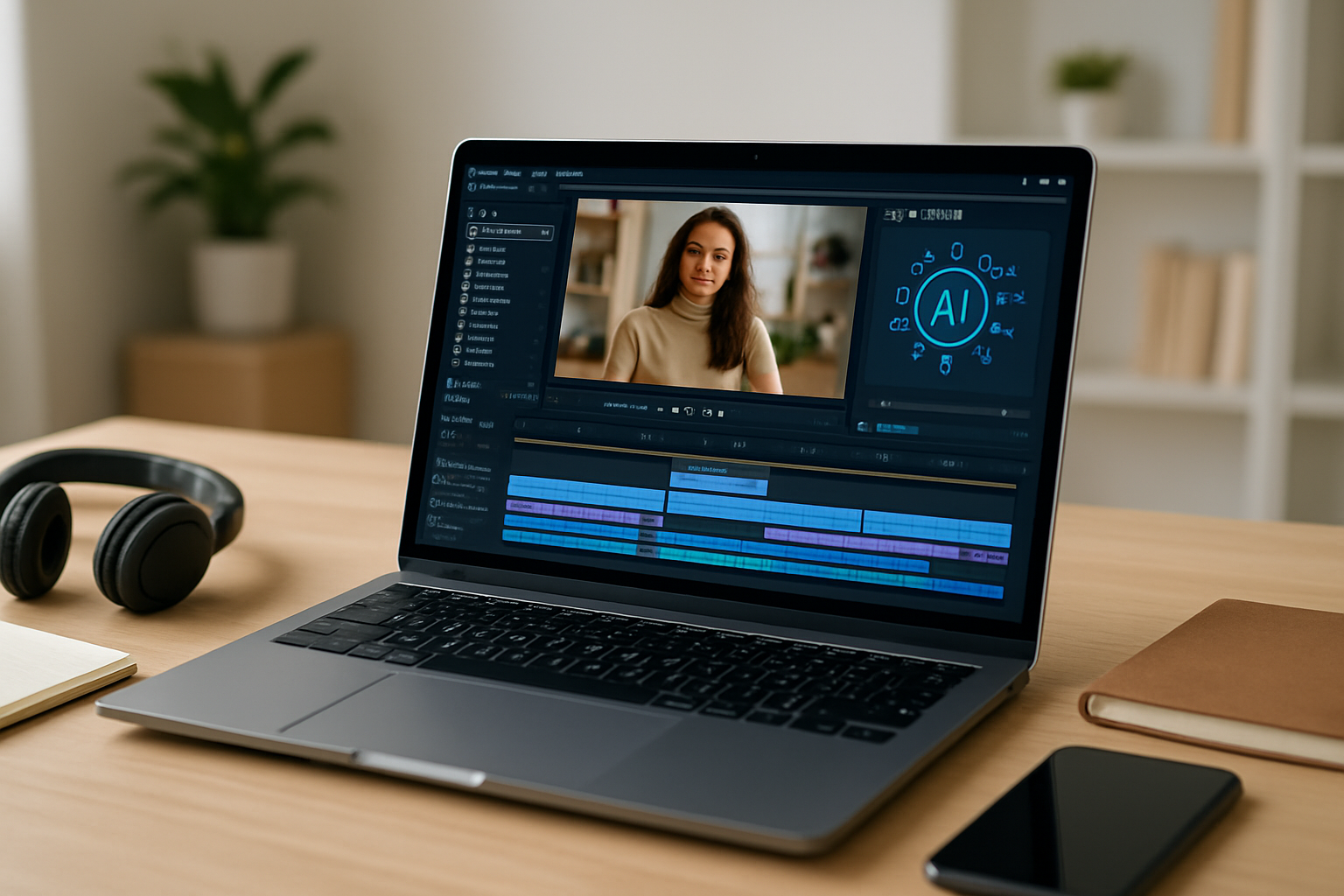
- Intelligent Editing: Automated scene detection, shot selection, and transitions enable faster assembly of raw footage.
- Speech-to-Video Integration: Generating synchronized visuals from audio scripts or voiceovers, useful for explainer videos and presentations.
- Real-Time Collaboration: Cloud-based AI allows creators to get instant editing suggestions and iterative improvements.
- Style Transfer and Effects: Applying artistic filters, cinematic color grading, or background replacements powered by AI vision models.
Typical AI Video Production Workflows
Integrating AI tools into video projects usually involves a blend of human creativity and machine efficiency. A typical workflow might include:
- Pre-Production: Using AI-powered storyboarding and script generation tools to outline key scenes and dialogues.
- Content Generation: Employing generative AI models to produce animated sequences, stock footage replacements, or enhancing low-quality inputs.
- Editing and Assembly: Applying intelligent editing assistants that suggest cuts, transitions, and pacing based on target audience engagement data.
- Post-Processing: Using AI to improve audio quality, add dubbing, and apply visual enhancements.
- Distribution Optimization: Leveraging AI analytics to tailor video versions for different platforms and viewer preferences.
Use Cases Across Creator Types
AI video production tools serve a wide spectrum of users, including:
- Beginners and Students: Simplified interfaces and guided workflows make video creation accessible without extensive technical knowledge.
- Freelancers and Small Businesses: Automate marketing content creation, personalized ads, and social media videos efficiently.
- Professional Creators and Studios: Accelerate complex editing cycles and experiment with cutting-edge creative effects powered by AI.
- Educators and Trainers: Generate instructional content faster with AI-generated visuals and clear voice narration.
- Technology Enthusiasts: Experiment with novel AI-generated visual styles and content concepts for unique projects.
Pros and Cons of Using AI Video Tools
Pros:
- Speeds up production time
- Reduces dependency on large crews or costly equipment
- Makes editing and creative experimentation accessible
- Offers personalization capabilities to target diverse audiences
Cons:
- Potential quality trade-offs compared to manual craftsmanship in some cases
- Ethical considerations around synthetic media and attribution
- Learning curve for effectively integrating AI into established workflows
- Ongoing costs related to cloud processing or subscription-based AI services
Editor’s View
AI video production tools mark a pivotal shift in content creation paradigms by democratizing access to technology that once required specialized skills and resources. While these tools are not a wholesale replacement for human creativity, they offer powerful extensions that enable creators to focus on storytelling rather than technical drudgery.
For creators, the key is understanding where and how AI integrates smoothly within their current workflows. Beginners will benefit from simplified AI platforms that teach the craft, while seasoned professionals can leverage AI to accelerate iterations and inspire new ideas.
However, creators should stay cautious about AI’s current limitations, including variable output quality and ethical questions around content authenticity. Keeping an eye on official sources and vendor updates is crucial as this rapidly evolving space matures.
FAQs About AI Video Production Tools
- Are AI video tools suitable for high-end professional projects?
Yes, AI tools can accelerate pre-visualization, iterative editing, and effects creation, though manual refinement is often still needed for final polish. - Do I need coding skills to use AI video production software?
Most modern AI video tools are designed with user-friendly interfaces that require little to no programming knowledge. - Can AI-generated videos infringe on copyrights?
Creators should verify the origins of AI content and follow legal guidelines to avoid copyright violations. - How do AI video tools handle language and accent diversity?
Many AI speech and dubbing models now support multiple languages and accents, though quality can vary by language and provider. - Are AI video production tools expensive?
Pricing models vary widely—from free tiers and trials to subscriptions—so choosing a tool depends on your project needs and budget constraints.
Conclusion
AI video production tools are transforming video creation by blending automation with artistic input and enabling diverse creators worldwide to produce compelling content efficiently. Staying informed about the latest AI model features and best practices will help users maximize the benefits while navigating the emerging challenges.
Always verify software options, pricing, and features from official vendors to ensure you choose the best AI video platform to meet your goals.