Introduction
Choosing the best smartphone can feel overwhelming, given the immense variety of options available to global consumers today. Whether you are a student searching for an affordable device, a professional needing reliable performance, a creator requiring a powerful camera, or a small business owner seeking productivity enhancements, smartphone technology now offers tailored choices across every budget segment.
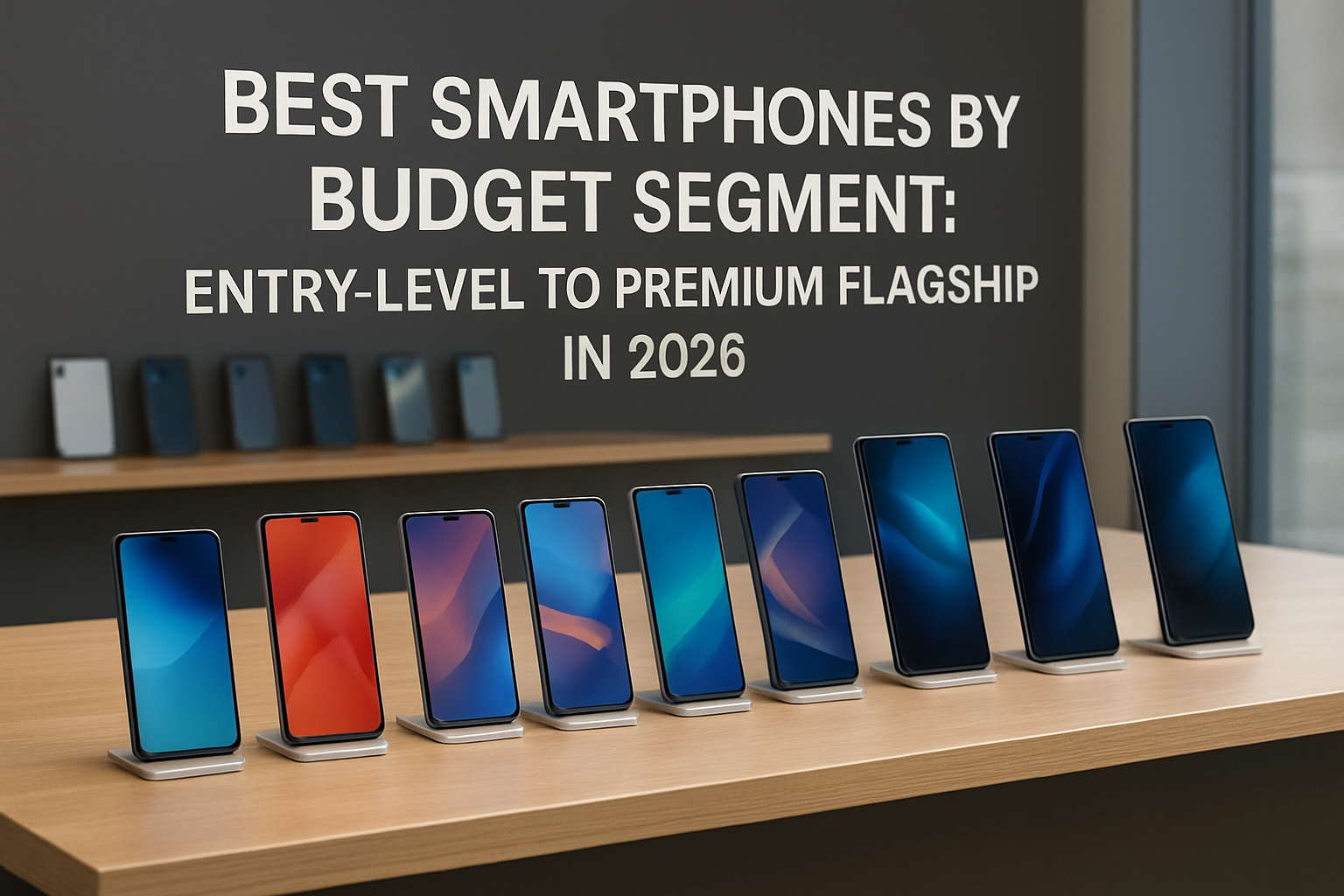
This guide breaks down the smartphone market by budget tiers, providing clear, practical recommendations to help you find devices that fit your needs and wallet without compromises.

Entry-Level Smartphones: Solid Basics for Every Day
Entry-level smartphones have evolved from basic communication tools to multi-functional devices capable of handling essential applications and light multimedia use. These models typically cost under $200-$250 and suit beginners, students, or those who want straightforward connectivity with long battery life.
- What to expect: Smooth performance for calls, messaging, social media, and light apps; screens often range from 5.5 to 6.5 inches; cameras are adequate but not spectacular; build quality focuses on durability over premium materials.
- Trade-offs: Processing speed and multitasking capabilities are limited; software updates may be slower or less frequent; storage and RAM are modest.
Popular brands offer reliable models in this range, often using lightweight Android versions. Buyers should prioritize battery capacity and software support, as screen size and resolution can vary widely.
Mid-Range Smartphones: Balanced Features and Performance
Mid-range phones, generally priced between $300 and $600, present an excellent balance of performance, design, and features. These devices are ideal for professionals, freelancers, students, and creatives seeking substantial upgrades over entry-level devices without breaking the bank.

- Key advantages: Faster processors, sharper displays often with OLED panels, improved camera systems with multiple lenses, and enhanced software features.
- Considerations: While some mid-range devices spotlight AI-powered photography and processing improvements, they may lack premium materials or flagship-grade processing power.
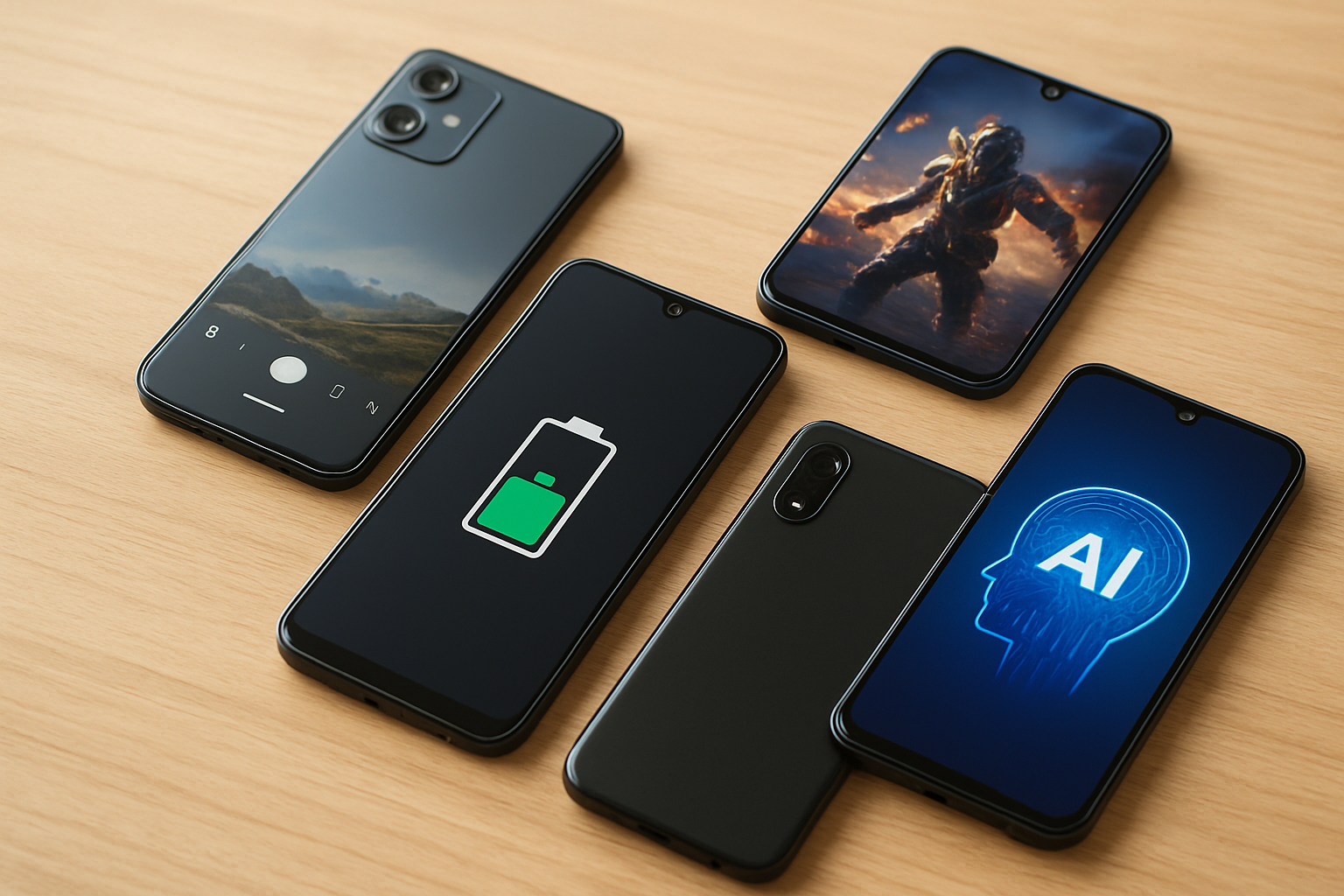
This segment benefits from recent advancements in AI-driven camera software, computational photography, and enhanced multitasking abilities. Companies leverage AI to optimize battery use and user experience despite hardware constraints.
Premium Smartphones: Flagship Powerhouses
Flagship smartphones, typically priced above $800, offer the most cutting-edge technology: high-refresh-rate OLED or QD-OLED displays, advanced multi-sensor cameras with AI-assisted image processing, top-tier processors, and premium build quality. They suit tech enthusiasts, creators, executives, and professionals who demand the best.
- Highlights: Extreme processing speeds including AI accelerator chips, best-in-class displays, versatile camera arrays with video capabilities suited for content creation, and extended software support.
- Trade-offs: The higher price may not justify the incremental feature gains for casual or moderate users; battery longevity can sometimes be a concern due to power-intensive features.
Devices in this tier are focal points for innovation, such as the integration of advanced AI assistants, smart connectivity improvements, and enhanced security features including biometric authentication.
Practical Tips for Choosing Your Smartphone
- Define your core needs: Prioritize whether you want outstanding photography, gaming, productivity, or battery life.
- Consider software ecosystem: Android offers customization and variety, while iOS provides seamless integration with other Apple products.
- Check device longevity: Look for brands supporting regular software updates and security patches.
- Budget realistically: Entry-level devices might suffice for basic needs, but mid-range often offers the best performance per dollar.
- Explore AI features: Devices increasingly incorporate AI to boost photography, battery, and system performance—higher tiers may offer more advanced AI benefits.
Editor’s View
The smartphone landscape is increasingly nuanced, with AI playing a growing role in user experience, even at mid-range and entry levels. However, it’s important to balance the allure of new features with practical needs. Entry-level devices have reached a solid plateau for everyday use and education, but mid-range smartphones present the best value for most international users, combining strong performance with AI-enhanced features. Premium flagships push boundaries with AI-integrated innovations but carry a price premium that may not suit all.
Before buying, prospective users should verify official sources for pricing, software versions, warranty policies, and regional availability, as these factors can vary significantly worldwide and affect overall satisfaction.
FAQs
- Are entry-level smartphones suitable for multitasking?
They manage light multitasking but can slow down with many apps open; mid-range is better for heavier use. - How do AI features improve smartphone performance?
AI helps with image processing, battery management, predictive text, and personalized system optimization. - Is it worth buying a flagship phone each year?
Not necessarily; flagships have incremental yearly upgrades, so every 2-3 years may be more economical. - What about software updates for budget phones?
Budget phones often receive fewer updates; check manufacturer policies before purchase. - Can mid-range phones replace flagship devices for creators?
Many mid-range models offer powerful cameras and AI-based editing tools suitable for creators on a budget.
Note: Market prices, specifications, and availability can change rapidly. Readers should verify the latest details from official manufacturer websites or authorized retailers before purchase decisions.