It’s finally here. After months of rumors and leaks, ChatGPT-5 has officially set the new standard for Artificial Intelligence in 2026. With its “thinking” models and frighteningly good coding skills, it is undoubtedly powerful.
But let’s be honest—it’s not perfect for everyone.
Maybe you are hitting the strict usage limits on the free tier. Maybe you find the new “Personalities” feature a bit gimmicky. Or maybe you just don’t want to pay the $20/month premium to unlock its full potential.
The good news? The AI landscape in 2026 is crowded. Competitors have caught up, and in some specific tasks, they are actually beating OpenAI.
If you are looking to break up with ChatGPT, here are the 5 best free AI alternatives you can use right now in 2026.
- Google Gemini (Best for Google Ecosystem) If you live inside Google Docs, Gmail, and Android, Gemini is no longer just an alternative—it’s the better choice.
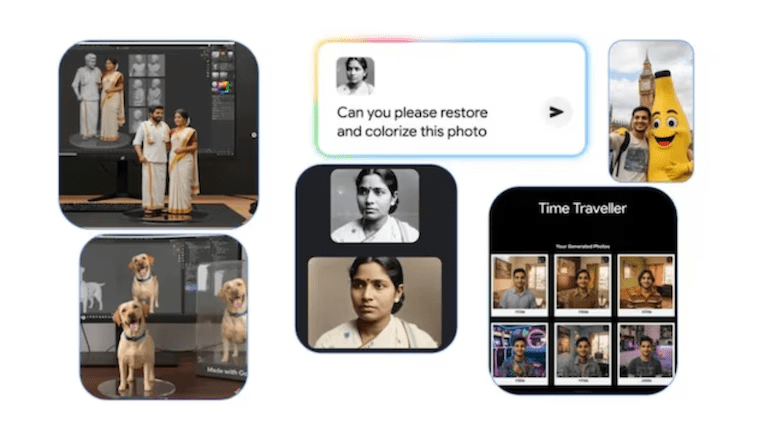
In late 2025, Google rolled out updates that made Gemini significantly faster at processing real-time information than ChatGPT. While ChatGPT-5 sometimes struggles with breaking news, Gemini is grounded in Google Search, making it the king of current events.
Best Feature: seamless integration. You can type @Google Docs inside the chat to have it summarize your private documents, or @Gmail to draft replies based on your actual inbox.
The Catch: The free version (Gemini Flash) is fast, but for deep logical reasoning, it still lags slightly behind GPT-5’s “Thinking” mode.
- Claude (Best for Writing & Human Nuance) If ChatGPT-5 feels too “robotic” or overly confident, you need Claude. Anthropic’s latest update (Claude 3.5 Sonnet and the newer 2026 iterations) remains the gold standard for writers.
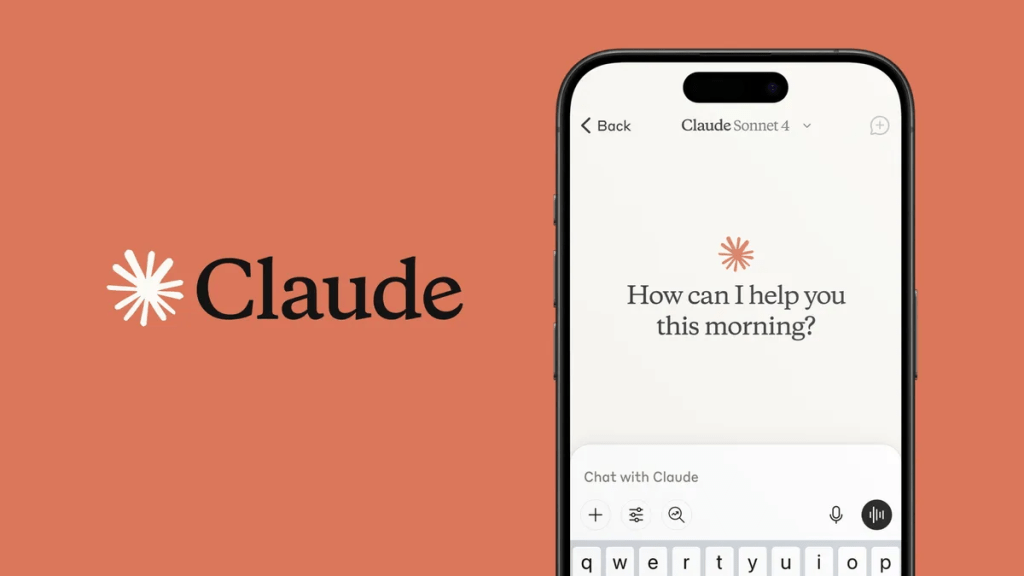
Claude doesn’t sound like a machine. It understands nuance, tone, and flow better than any other model on this list. If you are writing a blog post, a cover letter, or a creative story, Claude requires far less editing than ChatGPT.
Best Feature: “Artifacts.” The ability to view code, documents, and website previews side-by-side with your chat is still the best UI in the game.
The Catch: The daily message limit on the free tier is strict. You might only get 10-15 good queries before it cuts you off for the day.
- Perplexity AI (Best for Research) ChatGPT-5 is a chatbot. Perplexity is an answer engine.
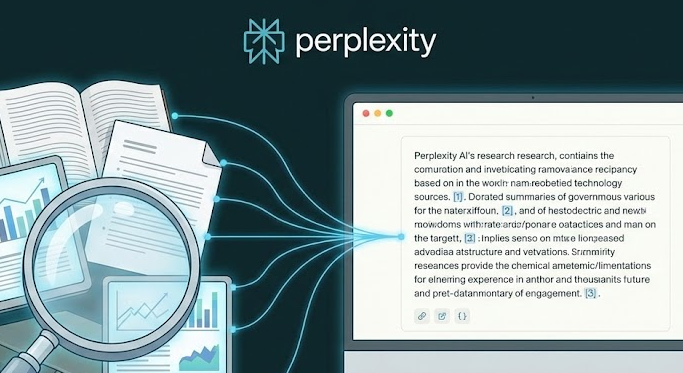
If you are a student, researcher, or journalist, you cannot rely on a chatbot’s “hallucinations.” Perplexity acts like a super-powered search engine. It reads dozens of websites in seconds and gives you a summarized answer with citations. You can click every little number to see exactly where the information came from.
Best Feature: “Deep Search.” It doesn’t just answer your question; it asks you clarifying questions to narrow down exactly what you are looking for.
The Catch: It is not great for creative writing. Ask it to write a poem, and it will likely just search for existing poems.
- Microsoft Copilot (Best for Productivity) Microsoft has fully integrated the GPT-4o and newer technologies into Copilot, but they have tuned it strictly for getting work done.
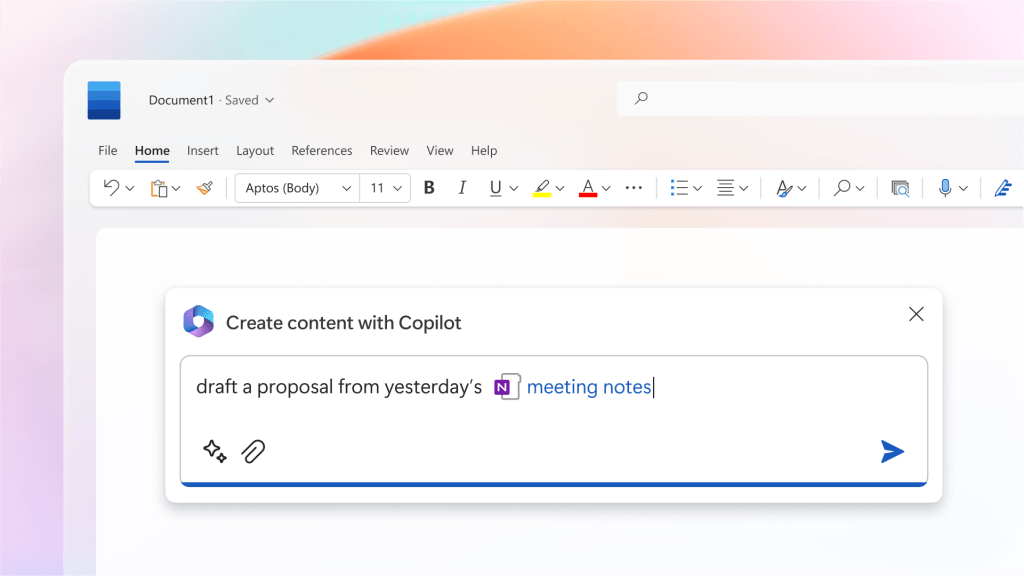
If you use a Windows PC, Copilot is built right into your taskbar. It excels at generating images (using DALL-E 3) and analyzing complex PDFs or Excel sheets for free. While ChatGPT-5 locks some advanced data analysis behind a paywall, Copilot is surprisingly generous with its free features.
Best Feature: The “Notebook” interface allows for long-form prompting without the conversational back-and-forth, perfect for coding or refining long texts.
The Catch: The interface can feel cluttered compared to the clean minimalism of ChatGPT.
- DeepSeek (The “Open Source” Underdog) The surprise hit of 2026 has been DeepSeek. While the big US tech giants are fighting over subscriptions, DeepSeek has released models that rival GPT-5 in coding and math performance—completely for free.
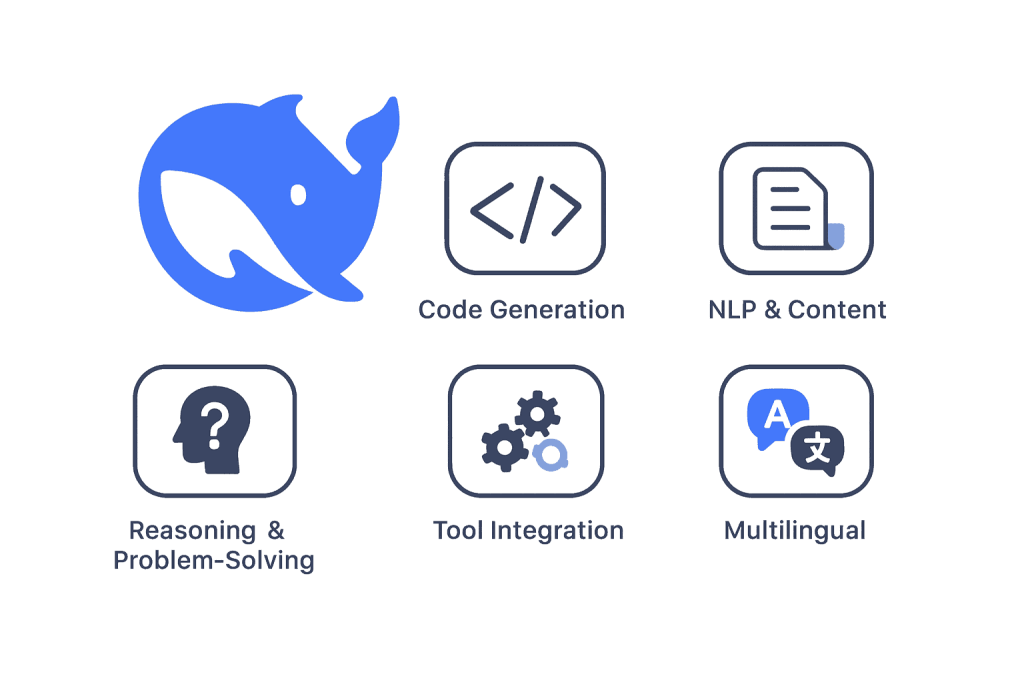
It is lightweight, incredibly fast, and very popular among developers who want a “no-nonsense” assistant to write Python or Javascript.
Best Feature: Unfiltered coding assistance. It rarely refuses technical prompts and is extremely concise.
The Catch: It is strictly a utility tool. It lacks the personality and conversational fluff of the others.
Verdict: Which One Should You Choose? Stick with ChatGPT-5 if you want the best all-rounder.
Switch to Gemini if you use Google Workspace heavily.
Switch to Claude if you are a writer who hates “AI-sounding” text.
Switch to Perplexity if you need facts and sources, not conversation.
Which AI are you using in 2026? Let us know in the comments below!


 TRICKSFUNN
Comments are like sprinkles on an ice cream sundae – they make everything better!