
In the rapidly evolving landscape of smart home technology, future-proofing your setup is essential to ensure that your investment remains relevant and functional as new advancements emerge. By selecting devices and systems that are designed with interoperability and compatibility in mind, you can create a smart home that is flexible, adaptable, and ready to embrace the innovations of tomorrow.
Embrace Standards and Protocols
When building your smart home ecosystem, prioritize devices that adhere to widely accepted standards and protocols such as Zigbee, Z-Wave, or Thread. These standards facilitate communication between different devices and systems, enabling seamless integration and interoperability. By choosing devices that support these protocols, you can ensure that your smart home remains compatible with future technologies and upgrades.
Zigbee
Zigbee is a wireless smart home technology that serves as a protocol for linking smart devices like lights, plugs, and smart locks to a home network. It operates on the 2.4GHz frequency, making it a popular and relatively affordable alternative to other protocols like Z-Wave, Matter, Wi-Fi, and Bluetooth. Zigbee is characterized by its standardized wireless protocol, enabling devices from different manufacturers to communicate with each other. It utilizes mesh networking, offers secure 128-bit AES encryption, and is known for its low-power usage and long battery life. Zigbee has a range of 10-20 meters indoors and 75-300 meters outdoors. It can be controlled remotely via a hub like Homey, which acts as a bridge to the Internet, providing cloud tools, apps, and remote control capabilities from a smartphone. Zigbee is widely used in the smart light industry and offers advantages such as cost-effectiveness, energy efficiency, and compatibility with various smart home brands.
Invest in Hub-Based Systems
Opting for a hub-based smart home system can provide a centralized platform for managing and controlling a wide range of devices. Hubs act as intermediaries, translating signals between different devices and protocols, thereby enabling them to work together harmoniously. When selecting a hub, look for one that supports multiple protocols and has a track record of regular updates and compatibility with new technologies.
Prioritize Cloud-Based Solutions
Cloud-based smart home solutions offer the advantage of remote access and seamless integration with third-party services and devices. By leveraging cloud connectivity, you can future-proof your smart home by easily incorporating new features, services, and devices as they become available. Additionally, cloud-based systems often receive regular updates and improvements, ensuring that your smart home remains up-to-date and secure.
Consider Scalability and Expandability
When choosing smart home devices, consider their scalability and expandability to accommodate future additions and upgrades. Opt for devices that can easily be integrated into existing systems and expanded upon without requiring significant reconfiguration or replacement. This approach allows you to gradually build upon your smart home setup as new technologies emerge, ensuring that your home remains at the forefront of innovation.
Here are some examples :
- Nest Learning Thermostat: This smart thermostat, developed by Google, is a prime example of future-proofing in smart home devices. It learns the user’s schedule and preferences to optimize heating and cooling, ensuring energy efficiency and comfort. The Nest Learning Thermostat is compatible with various smart home systems and can be controlled remotely through the Nest app, making it a future-proof choice for smart home automation.

2. Hue Smart Lighting System: Hue, a popular smart lighting brand, is also working towards future-proofing its products. Although their current bulbs require a bridge for connectivity, they are planning to release bulbs compatible with Matter, a new smart home standard. This move ensures that Hue devices will remain compatible with emerging technologies and updates, making them a future-proof choice for smart lighting.

3. Smart Speakers: Smart speakers like Amazon Echo and Google Home are not only voice-controlled assistants but also serve as the nerve center of a smart home ecosystem. They can control various smart devices, provide information, and even act as an intercom system. These devices are constantly evolving to support new features and devices, making them a future-proof choice for smart home automation.

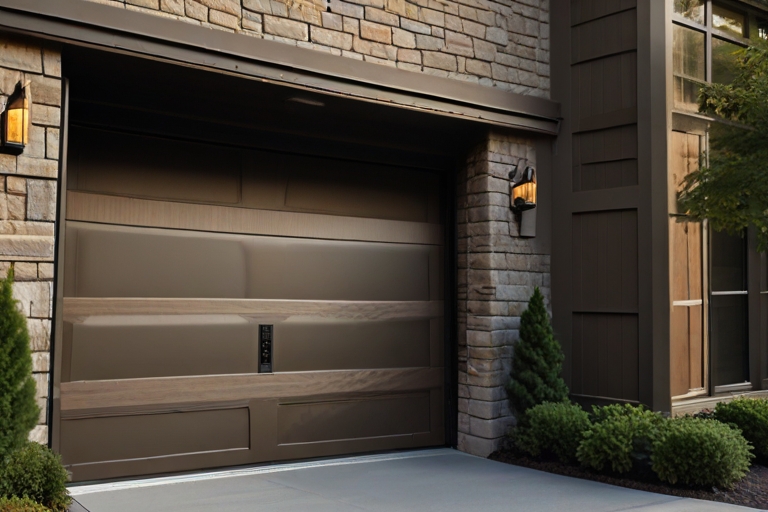
4. Smart Garage Door Openers: Smart garage door openers, like those from Chamberlain, offer remote monitoring and control, scheduled opening and closing, and even delivery mode. These features not only enhance convenience but also provide a future-proof solution for smart home automation, as they can be integrated with other smart devices and updated to support emerging technologies.
5. Smart Vacuum Cleaners: Smart vacuum cleaners, such as the Roomba, use AI algorithms to navigate and clean homes autonomously. They can be integrated with other smart devices and controlled remotely through apps, making them a future-proof choice for smart home cleaning solutions

Stay Informed and Engage with the Community
To stay ahead of the curve and future-proof your smart home, it’s essential to stay informed about the latest trends, technologies, and standards in the smart home industry. Engage with online communities, forums, and tech publications to learn about upcoming advancements and best practices for integrating new devices into your smart home ecosystem. By staying connected and informed, you can proactively adapt your setup to embrace future innovations and ensure that your smart home remains cutting-edge. By following these guidelines and adopting a forward-thinking approach to selecting and integrating smart home devices, you can future-proof your home and create a connected environment that is ready to embrace the advancements of tomorrow. With careful planning, informed decision-making, and a focus on interoperability and compatibility, you can build a smart home that is not only functional and convenient today but also prepared for the technologies of the future.
Drawbacks of Future-Proofing Smart Home Setup
- Installation Costs: Initially, setting up a smart home can be expensive, deterring some homeowners from investing in the technology. While the industry is evolving to offer cost-effective options, the upfront costs can still be a barrier for many individuals.
- Internet Dependency: Smart homes heavily rely on a stable internet connection for seamless operation. Inadequate internet speeds or outages can disrupt the functionality of smart devices, highlighting the need for a reliable network infrastructure.
- Privacy Concerns: With the integration of smart technology comes the risk of data breaches and privacy violations. Users must take precautions to secure their network, such as using strong passwords and opting for certified professionals to install and maintain smart devices.
- Complicated User Interfaces: Automation systems can be overwhelming for individuals who are not tech-savvy. Complex setups, unreliable products, and intricate logics can lead to confusion and undesired outcomes, emphasizing the importance of simplicity and user-friendly interfaces in smart home setups.
Benefits of Future-Proofing Smart Home Setup
- Energy Efficiency: Smart homes excel in energy savings through features like dimming lights, timers, and occupancy sensors that minimize energy consumption. Monitoring tools help users track energy usage and suggest ways to reduce electricity wastage, leading to lower utility bills and environmental benefits.
- Ease of Access: Smart homes offer convenience by allowing users to control multiple devices through a single interface, reducing the need for multiple remotes and streamlining daily tasks. This accessibility enhances user experience and saves time on mundane activities.
- Customization for User Comfort: Automation in smart homes enables users to personalize their living spaces according to their preferences. From setting timers for lights to adjusting temperatures remotely, smart homes cater to individual needs and enhance comfort and convenience.
- Smart Home Security: Smart technology enhances home security through features like CCTV cameras, anti-theft systems, and biometric locks. Users can monitor their homes remotely, receive notifications of suspicious activities, and integrate security systems with smart devices for comprehensive protection.
- Cost Savings: While the initial investment in smart home technology may be high, the long-term savings in utilities, heating, and cooling costs can be substantial. Smart systems that monitor energy usage and suggest efficiency measures can lead to significant financial benefits over time.
- Resale Value: Installing smart home devices can increase the resale value of a property, attracting buyers willing to pay more for homes equipped with smart security, appliances, climate control, and energy-efficient features. Smart homes are perceived as modern and desirable in the real estate market.
In conclusion, while future-proofing a smart home setup may come with challenges such as installation costs and privacy concerns, the benefits of energy efficiency, convenience, customization, security, cost savings, and increased property value make it a worthwhile investment for many homeowners looking to enhance their living spaces with advanced technology.


 TRICKSFUNN
Comments are like sprinkles on an ice cream sundae – they make everything better!